Will I See Other Wildlife on the Jumping Crocodile Cruise Besides Crocs?

When I first heard someone ask, “Will I See Other Wildlife on the Jumping Crocodile Cruise besides Crocodiles?” I chuckled to myself. I’ve been leading tours in the Northern Territory for years now, and I can tell you – Adelaide River always delivers. You can be sure that the Australian saltwater crocodile will steal the show with its crazy vertical leaps, but what really gets people is the sheer volume of life buzzing around in the water – a lot more than most folks expect.
My name is Paul Beames, and I’m the founder of Get Lost Travel Group, an old hand in the NT and someone who’s accumulated a small mountain of mozzies along the Adelaide River floodplains over the years. So let me tell you what really goes on out there because if you’re picturing a single-file parade of “jumping crocodiles” with nothing else in sight, you’re underselling just how rich the wildlife is in the Top End.
And yes, you will see the Jumping Crocodile Cruise pop up in this story a few times – they’ve been taking people out on the river for decades, just like other top-notch local tour operators who make croc spotting both an exhilarating and a safe experience.
Contents
- 1 Why Adelaide River is a Hotspot for Australian Wildlife
- 2 Why Saltwater Crocodiles Get all the Attention (And Why They Deserve it)
- 3 Spotting Birdlife: The Unsung Heroes of Adelaide River
- 4 Other Wildlife Hanging Out Along the Riverbanks
- 5 How Seasonality Affects Your Wildlife Experience
- 6 Table: Wildlife Sightings on Adelaide River (Approx. Annual Observations)
- 7 What About Safety Around All This Wildlife?
- 8 A Little Note on Indigenous Culture and the Country
- 9 A True Story: That Time a Sea Eagle Stole the Show
- 10 Finding the Right Cruise Operator
- 11 Final Reflection: Beyond Crocs – The Real Wildlife Experience
- 12 FAQ
- 12.1 Do I typically see crocodiles on Adelaide River cruises?
- 12.2 Are jumping crocodile cruise tours suitable for kids?
- 12.3 Will I see anything other than crocodiles on the tour?
- 12.4 Do operators need special permits to feed the crocs?
- 12.5 Can I just turn up to one of these tours, or do I need to book as part of a bigger package?
Why Adelaide River is a Hotspot for Australian Wildlife
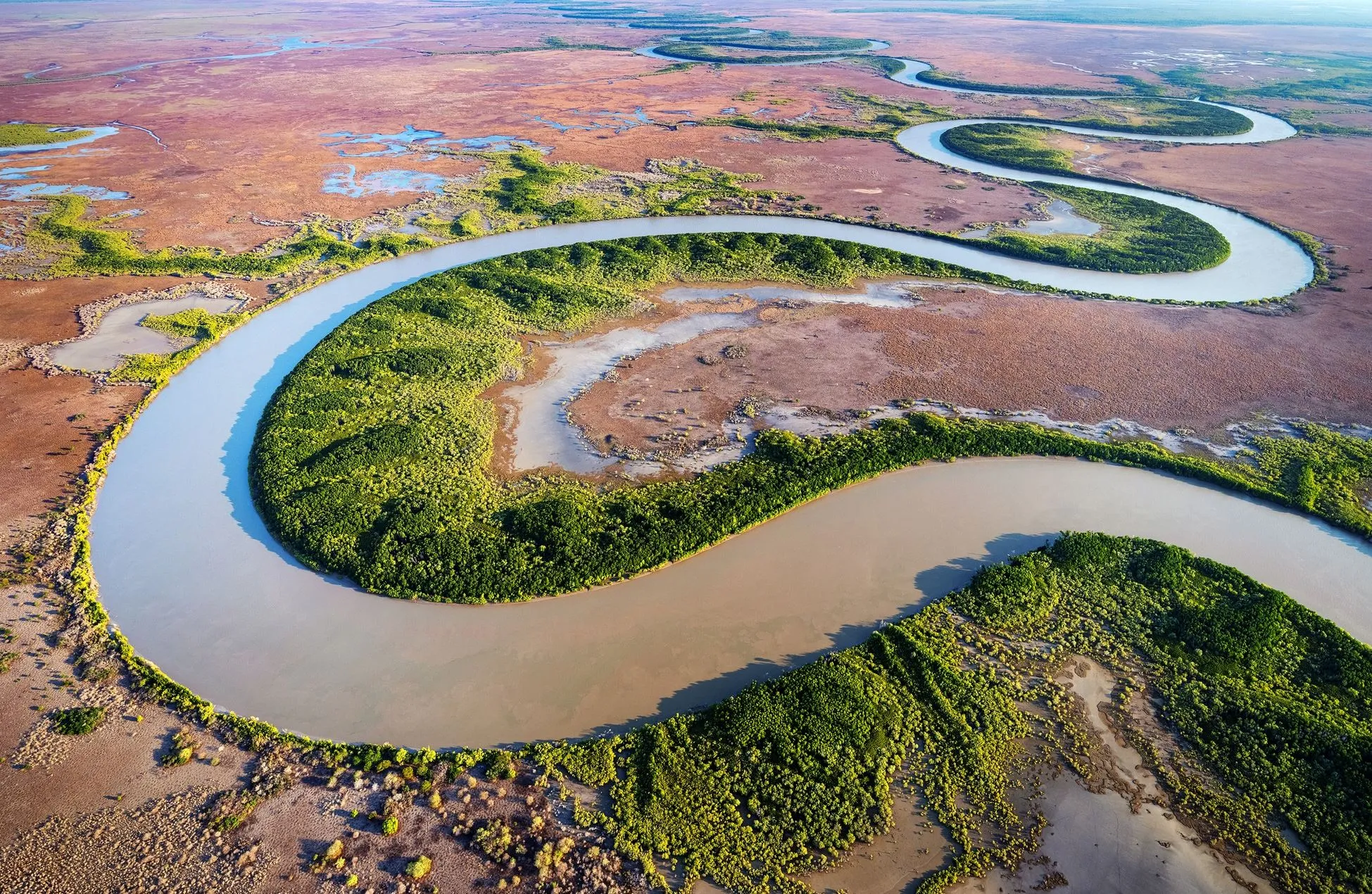
Adelaide River is slap bang in the middle of the NT’s Top End – an area that’s moulded by the endless humidity, the floods that come and go with the seasons, and a food chain that’s brutal but beautifully balanced. When you join the Jumping Crocodile Cruise or any of the other local cruises, you’re stepping into a class on crocodile biology, indigenous wildlife and ancient floodplain systems that’s been thriving for way longer than road trains and tourist groups have been around.
Adelaide River is tied up in a whole lot of Aboriginal culture too – Traditional Owners have been reading this landscape for thousands of years now – the seasons, the tides, the way the species move around. When you look out over the water, you’re not just seeing wildlife, you’re seeing a story.
Why Saltwater Crocodiles Get all the Attention (And Why They Deserve it)
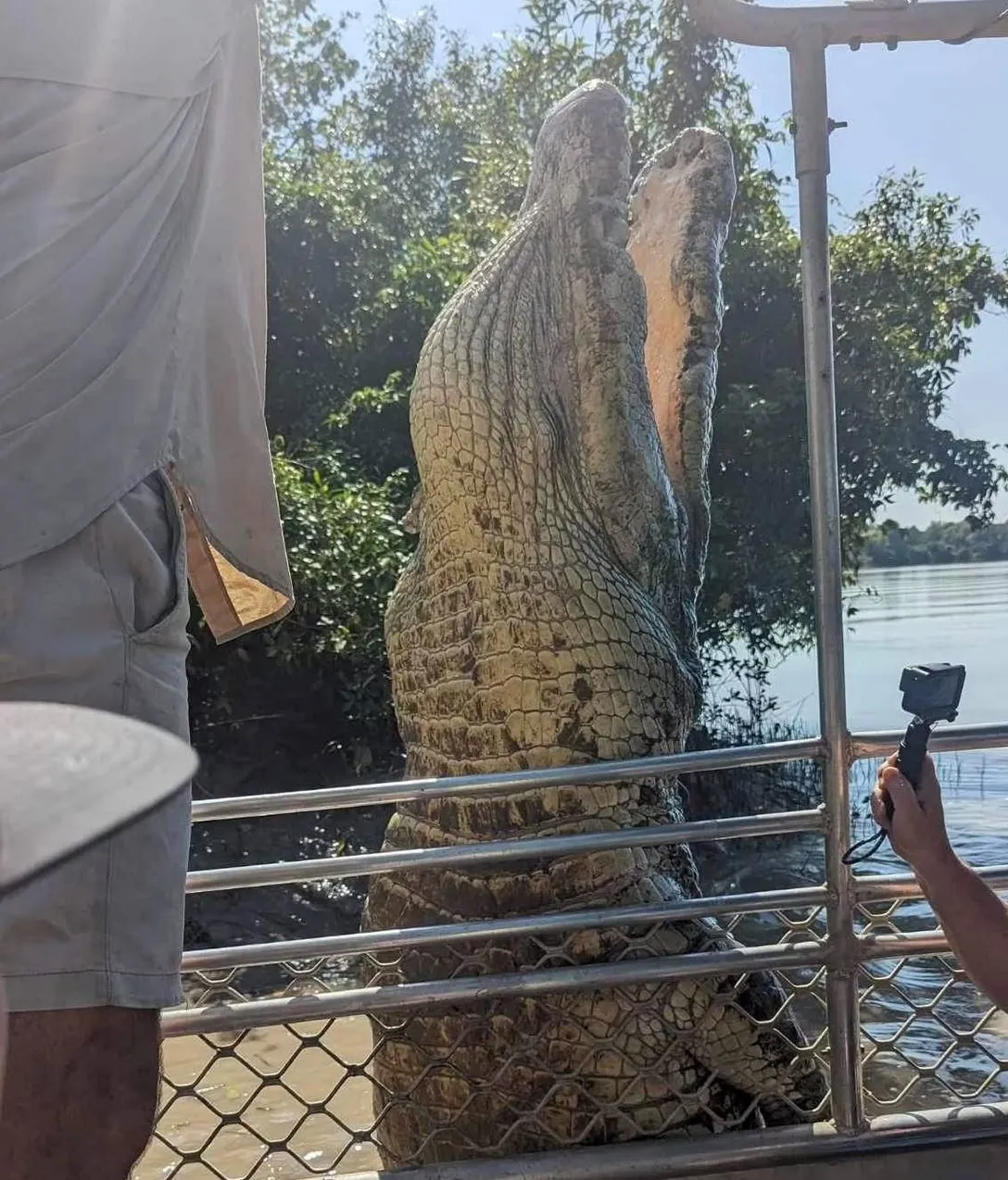
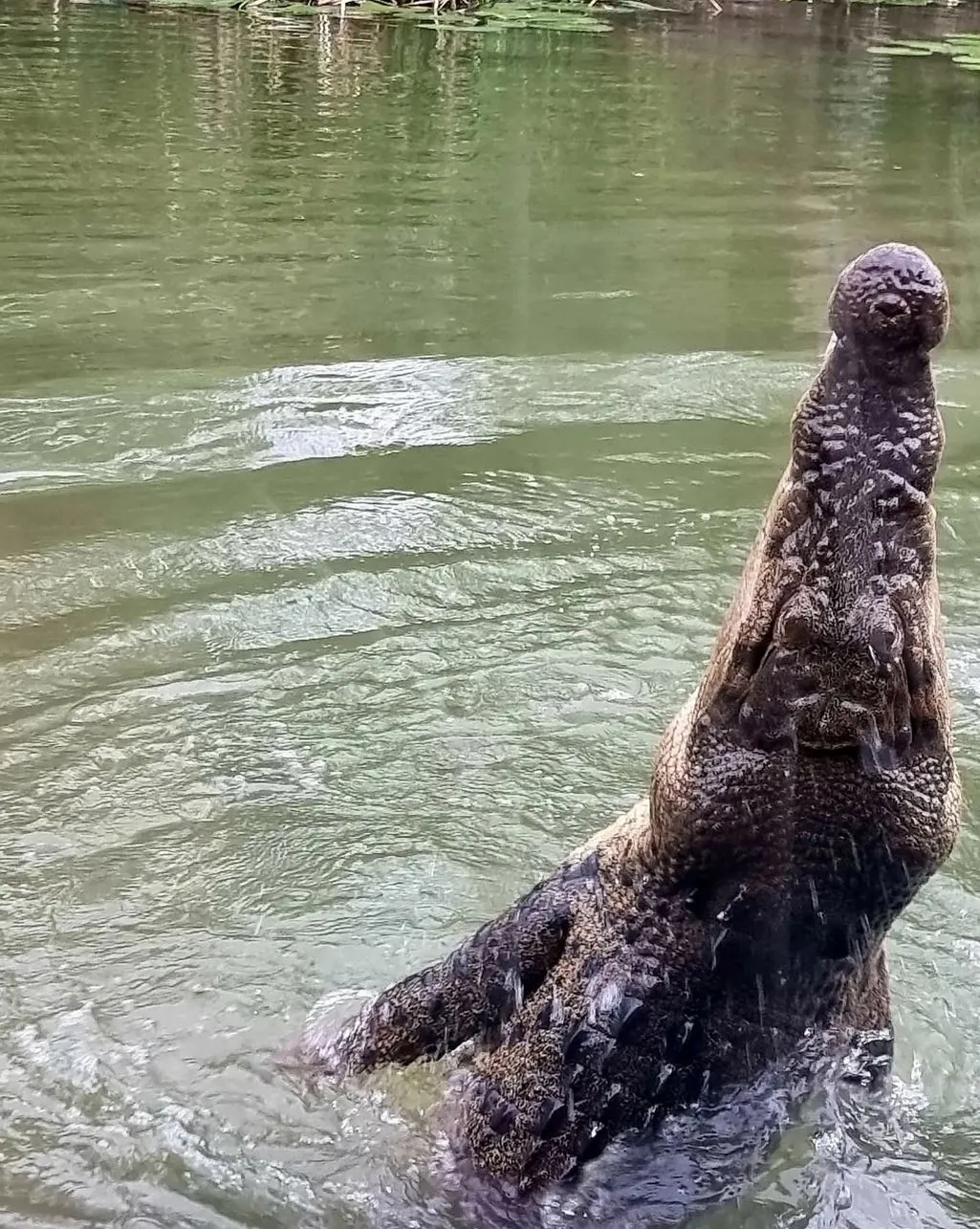
You can’t think about Adelaide River without thinking about crocs – specifically Australian saltwater crocodiles, also known as Estuarine crocodiles. They’re absolutely magnificent creatures – massive enough to launch themselves vertically to “jump” for food, usually a bit of buffalo meat on the end of a string dangled by a guide who knows their stuff and always puts safety first.
On a standard Jumping Crocodile Tour, you can expect to learn about:
- crocodile hunting techniques that work
- How they stake out their territory & hierarchy
- Where they move to during the wet season & dry season
- Why are the ones here in Adelaide River growing so big
But that’s only one small part of what’s going on in the river – and that’s where many visitors get a lovely surprise.
Spotting Birdlife: The Unsung Heroes of Adelaide River
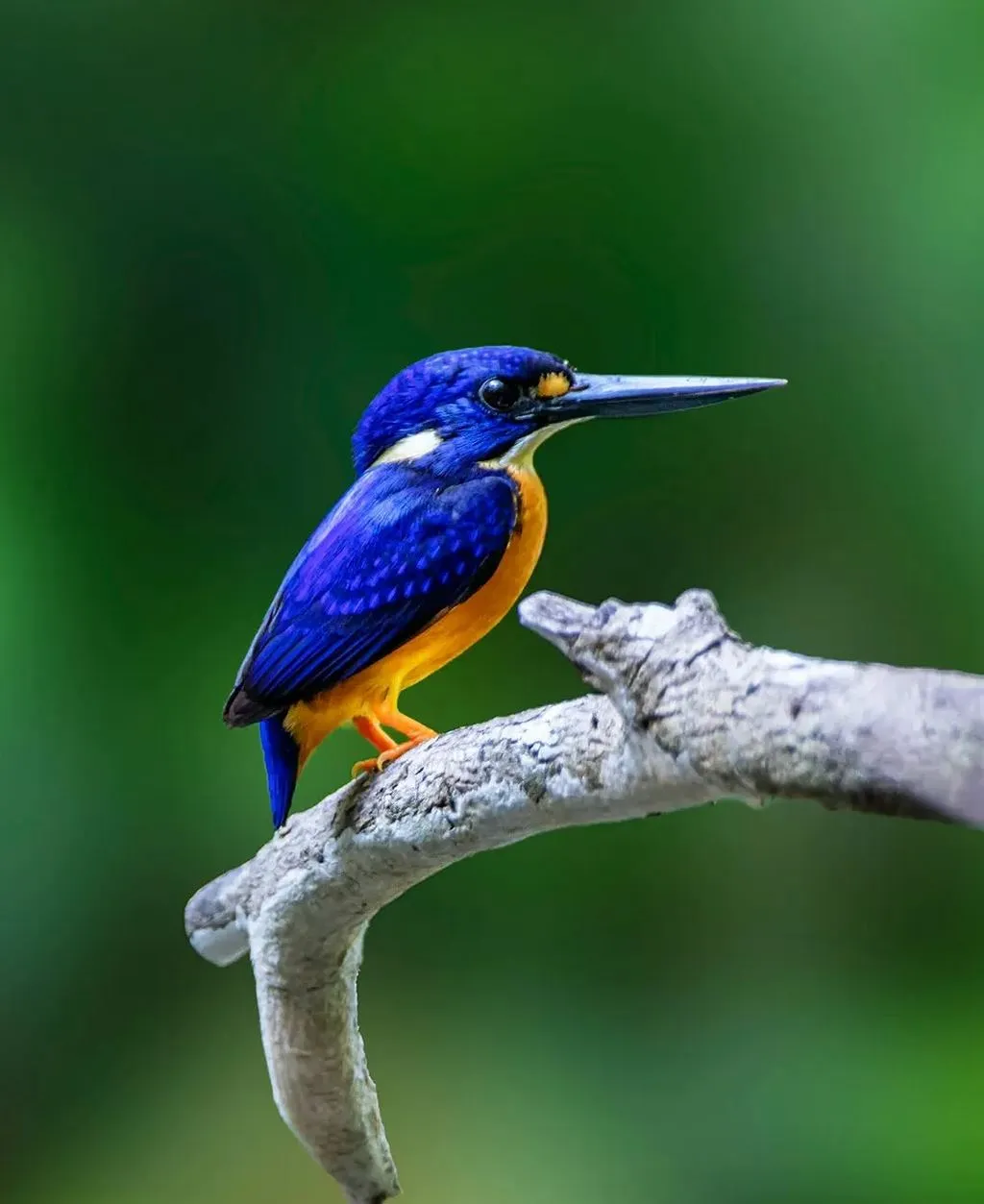
Before you even catch a glimpse of a croc stirring the surface, you’ll probably spot some Aussie birdlife doing their thing – soaring, swooping, or perching on paperbark branches like they’re the local royalty.
Bird enthusiasts come here because this place is the real deal. Some boat operators team up with birding organisations because this floodplain has got the credentials to host a wild variety of birds – high-flying raptors, tiny nectar lovers, the works.
Species you might spot on the tour:
- White-bellied sea eagles – the absolute show-offs that steal the crocs’ lunch right out of the air
- Kites and whistling kites – these birds give you a show
- Azure kingfishers – tiny flashes of electric blue dotting the water
- Rainbow bee-eaters
- Black-necked storks (jabiru) – these fellas are just at home here
- Cormorants and darters flapping their wings to dry them on branches
If you’re out on a clear, dry season morning cruise and the sun is shining, just the soundtrack alone is worth the trip.
Other Wildlife Hanging Out Along the Riverbanks
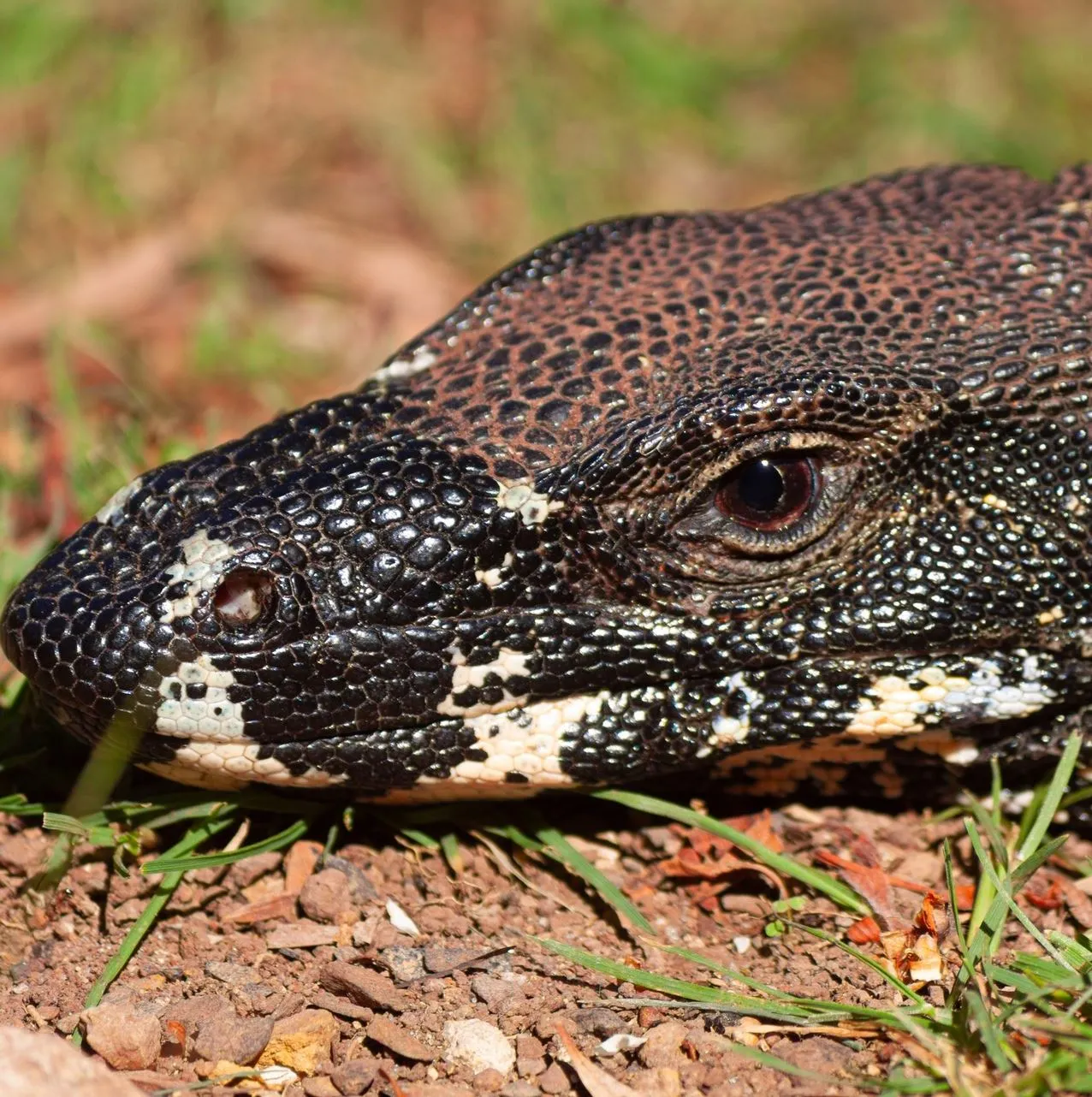
Goannas
These big lizards love basking in the sun on a log. They may not put on a show like a croc leap, but spotting a goanna is a classic Northern Territory experience.
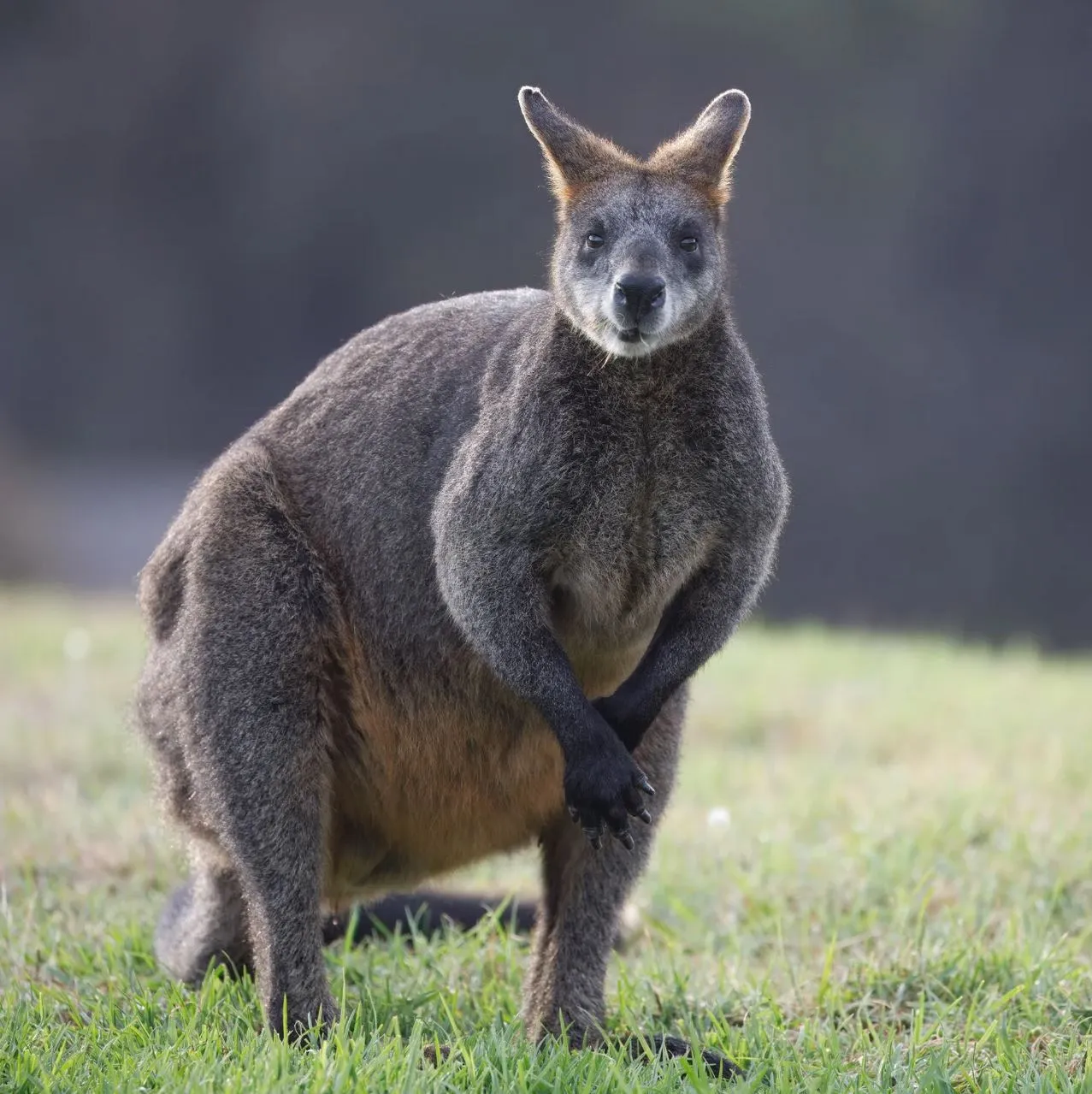
Wallabies
Occasionally, you’ll catch a glimpse of a wallaby grazing near the causeway entrance – before they disappear out of sight, of course. They’re pretty quick.
Snakes
You might not want to see them, but pythons and tree snakes inhabit the NT’s rivers. Guides will point one out if it’s safe to do so – and sometimes you get lucky.
Fish species
Most of the action is underwater – barramundi, mullet, and catfish are just a few of the croc’s favourite meals.
And then there are the insects – green ants, the ones you might eat if you’re feeling adventurous, mozzies (so bring your repellent), and then there are the dragonflies – they can appear in significant numbers, turning the sky into a storm of colour.
How Seasonality Affects Your Wildlife Experience
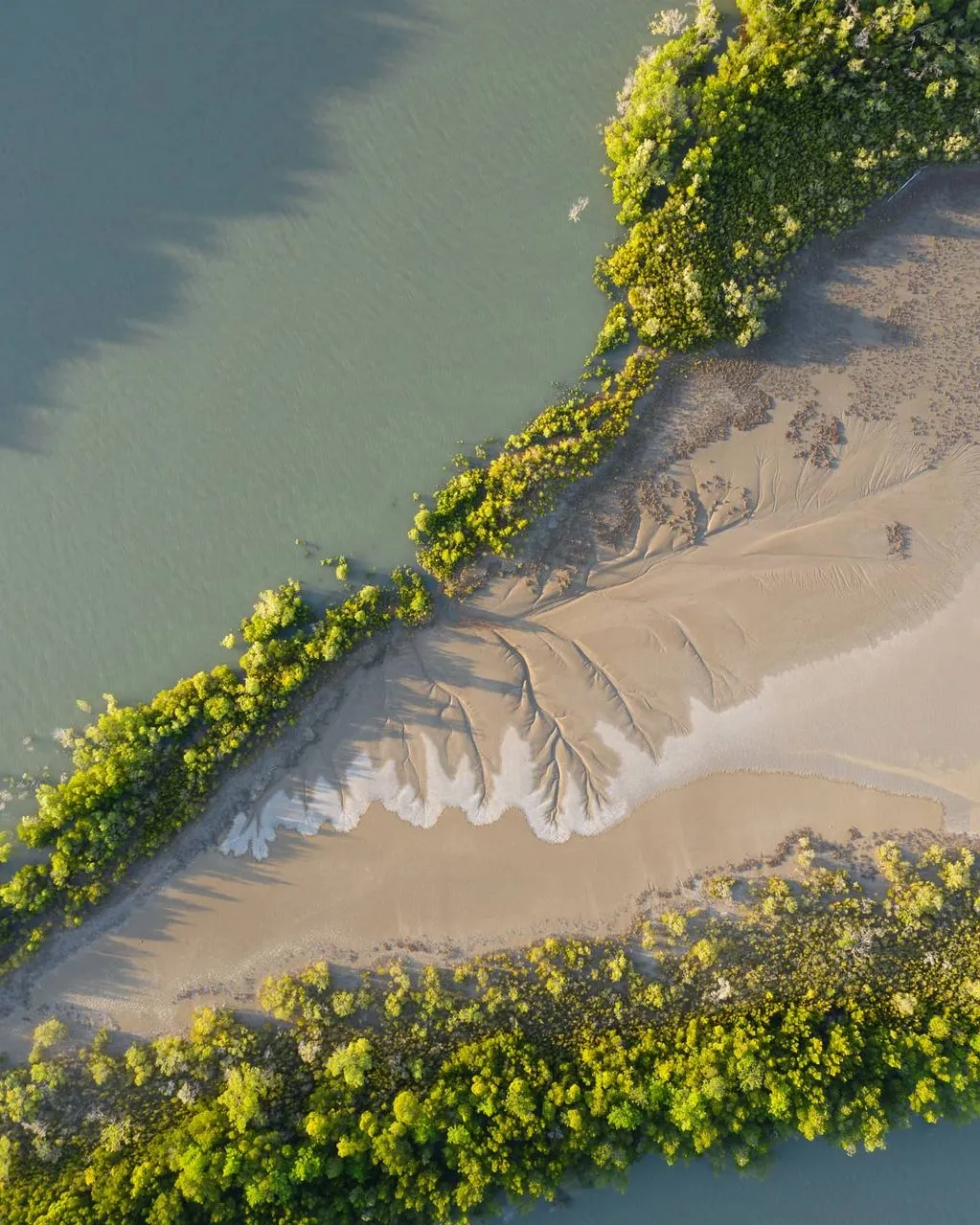
The Top End has two main seasons – wet and dry – with a bit of a weird shoulder period between them, where the weather just can’t make up its mind.
Dry Season (May – October)
- Clear skies
- Mornings are a bit cooler
- The visibility is perfect for spotting crocs and birds taking flight
- With the floodplains dry, the wildlife gets concentrated near the water
Dry Season runs roughly May – October, and those calmer conditions often make wildlife watching feel easier and more consistent.
Wet Season (November – April)
- The water is at its highest level, spreading the wildlife all over the place
- Crocs get a lot harder to spot
- The afternoons are filled with afternoon storms – you can count on them
- Despite this, the birds are still active, especially the raptors
Wet Season usually sits around November – April, and while sightings can be more unpredictable, the river still has plenty going on.
Neither of these seasons is really better than the other – just different. As the guides often say, “The river decides what you see”.
Table: Wildlife Sightings on Adelaide River (Approx. Annual Observations)
Below is a rough guide based on data from NT Parks & Wildlife, and from people who’ve recorded their experiences on river tours. Keep in mind, wildlife is unpredictable, so don’t count on seeing these every time – this is just a general idea of what you might see.
| Wildlife Type | Chance of Sighting (Dry) | Chance of Sighting (Wet) | Notes |
|---|---|---|---|
| Saltwater crocodiles | 90–100% | 70–80% | Easier to spot when water is low |
| Raptors (eagles, kites) | 80–90% | 70–85% | Strongest activity in cooler mornings |
| Kingfishers | 60–75% | 40–60% | Thrive along stable riverbanks |
| Jabirus | 40–60% | 30–50% | Prefer exposed floodplains |
| Goannas | 50–60% | 30–40% | More active in dry heat |
| Wallabies | 30–50% | 20–30% | Seen near access roads and the bush pub area |
Statistics are sourced from NT Tourism reports and Wildlife Monitoring Summaries published by the Parks and Wildlife Commission NT, which remain valid in 2025 but may change with the seasons.
What About Safety Around All This Wildlife?
Safety is top of mind on the Adelaide River, and cruise operators are super serious about it. They follow the Territory regulations to the letter, keeping an eye on all the rules – Wildlife Permits, vessel requirements and guide accreditations. It’s all part of the Territory way.
Every Jumping Crocodile Cruise you take, you can expect:
- guides trained in crocodile behaviour
- A significant emphasis on keeping all your limbs inside the boat at all times
- Feeding the crocs using long poles – no sudden movements or anything
- They follow all the rules and regulations regarding Wildlife Permits and river management
- Stable boats that are perfect for all ages (just check the minimum age and what sort of excursion you’re after – they’ve got Wheelchair Accessible options too)
These are serious operations, and jumping crocodile tour operators – they don’t mess around. There are just too many wild crocodiles up there to take any chances.
A Little Note on Indigenous Culture and the Country
Adelaide River has a deep history with the Aboriginal people and the stories that flow from it. Many tour companies respect this, either by working with Traditional Owners or by taking guidance from an Aboriginal organisation. They understand access, wildlife interactions, and cultural interpretation.
Lots of the knowledge guides share with you – the seasons, the tides, the way crocodiles behave – all that is a result of traditional ecological knowledge that’s been passed down through generations.
Show some respect for the land you’re standing on – it’s a heck of a lot older than any of us, and it’s got stories going back way further than the river itself.
A True Story: That Time a Sea Eagle Stole the Show
I was out with a small group on a dry-season morning near the causeway entrance. We’d just watched a big male croc do a massive vertical launch – the sort that makes you step back even though you’re safely on board. As the guide was getting ready to feed the croc, a white-bellied sea eagle swooped in and snatched the buffalo meat right out of the air.
The croc sank slowly back under the water, and you could almost sense his bruised ego.
Moments like that remind me the Top End is just one big theatre production – the crocs might be the stars, but the supporting cast isn’t shy at all.
Finding the Right Cruise Operator
When you’re choosing which cruise to join – whether it’s Adelaide River Cruises, Autopia Tours as part of a more extended trip through NT, or another one of the expert guided outfits – choose operators who:
- Prioritise giving you a fantastic wildlife experience over just slapping on some gimmicks
- follow Territory regulations – they stick to NT Parks safety and approvals
- Employ guides who know their stuff
- Treat the local wildlife with respect, and don’t do anything that’ll harm them
- Have wheelchair-accessible options for everyone
- Respect the local Aboriginal culture and do it in a way that’s respectful of that too
Jumping Crocodile Cruise tours tick all those boxes, which is why they are so often recommended.
Final Reflection: Beyond Crocs – The Real Wildlife Experience
You’ll come to see the crocs – and fair enough, watching an Australian saltwater crocodile jump for food is about as raw an Outback experience as you can get without getting your feet wet. But don’t just stick with the crocs. Open yourself up to the rest of the river’s rhythms – the birdlife, the changing seasons, the quiet stories that the land tells. That’s where the magic really is.
Got a wildlife moment from your own NT adventure that you just can’t forget? Share it in the comments – we’re constantly updating our travel notes! If you’re planning a trip around Adelaide River and want some help with the rest of your NT itinerary, just give us a shout. My team at Get Lost Travel Group is here all the time, and we love to share the latest and best recommendations we come across.
FAQ
Do I typically see crocodiles on Adelaide River cruises?
Most of the time in the dry season, you can pretty much bank on spotting ’em – the lower water levels make them easier to find than in the wet season when they spread out. But don’t think that in the wet they disappear entirely, the good guides keep tabs on where they are.
Are jumping crocodile cruise tours suitable for kids?
Yep, they can be – but you do need to check with the operator what their minimum age is and stick to the guide’s instructions. And keep your arms and legs inside the boat at all times.
Will I see anything other than crocodiles on the tour?
Absolutely – Adelaide River is one of the best places to see a wide variety of bird species, including raptors, kingfishers and even jabirus, as well as the odd goanna or wallaby.
Do operators need special permits to feed the crocs?
Yes, they do – there are rules in place to regulate feeding. Only licensed operators may do this, and they follow the guidelines set out by NT Parks and Wildlife to ensure compliance with their approval.
Can I just turn up to one of these tours, or do I need to book as part of a bigger package?
You sure can – just book with someone like Autopia Tours or Get Lost Travel Group, and you can combine the cruise with Litchfield, Kakadu, or a wider Top End adventure.