Can I tattoo on real skin during the fine line tattoo course?

So you’re looking at that fine line tattoo course and wondering: can I actually tattoo real skin during the training? Great question — and one I get from almost every new student before they walk through the studio door. A fine line tattoo course can be one of the most exciting first steps in becoming a confident and skilled tattoo artist, especially when it’s designed with real practice and safety in mind.
Spoiler alert: the answer isn’t a flat yes or no. It depends on the course, the location, the licensing, and how many practice skins you’ve worked through before even thinking about picking up that Tattoo Machine over real skin. In this blog post, we’re diving into that question properly — what it looks like in a Melbourne studio, what the law says, what actually works for learning, and how to avoid dodgy tattoo training traps.
Contents
- 1 Why Artists Rush to Real Skin
- 2 What the Law Says in Melbourne
- 3 Key to Safe Real Skin Practice in Training
- 4 Why No Live Skin in Some Fine Line Courses
- 5 2025 Beauty Trends
- 6 Real Talk: What I Tell My Own Students
- 7 Red Flags
- 8 FAQ
- 8.1 Can I tattoo someone during my course in Victoria?
- 8.2 What if a course lets me tattoo skin on day one?
- 8.3 How many hours of tattoo training do I need before I can tattoo real skin?
- 8.4 Will tattooing on fake skin really prepare me for real clients?
- 8.5 What should I ask a course provider before enrolling?
Why Artists Rush to Real Skin
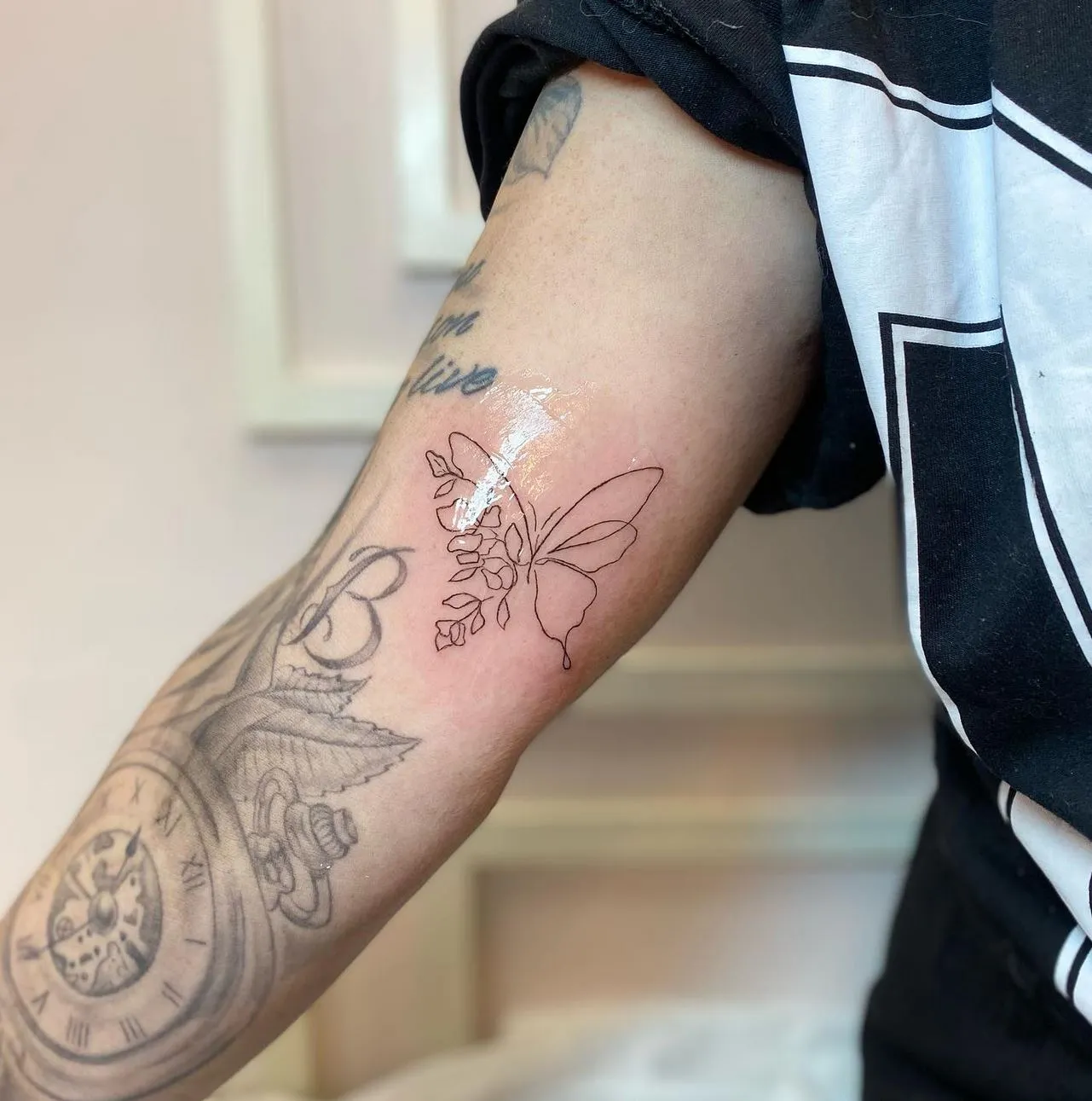
I get it. Practice Tattoo Skin is great and all, but it doesn’t flinch, bleed, or sweat. You want to feel what real skin does under the needle. You want to know how your pressure translates in real-time. Totally normal. But rushing into skin work before you’re ready? Recipe for trauma (to your client and your confidence).
Here’s what most beginner tattoo artists don’t realise:
- Tattooing too early on real skin can ruin your long-term skillset. You haven’t mastered depth, angle, machine speed, ink flow, or stretch yet. That early overwork can lead to skin trauma, blowouts or scarring.
- In Australia, you may be breaching local council health regulations. Especially in states like Victoria, where unlicensed skin penetration carries serious fines.
- You need to learn tattoo machine setup, hygiene protocols, needle selection, and line control first — and that takes more than a weekend crash course.
In short, wanting to tattoo real skin is good. But being allowed and being ready are two very different things.
What the Law Says in Melbourne
If you’re training in Melbourne or most areas of Australia, tattooing on real human skin during a tattoo training course is only allowed under specific licensing and hygiene conditions. Here’s a snapshot of how it works:
| Requirement | Fine Line Tattoo Courses Context in Melbourne |
|---|---|
| Health regulations | Must follow Victorian “Skin Penetration” rules |
| Council registration | The studio must be council-registered |
| Tattooist licence (where applicable) | Required in some states (not VIC, but QLD/NSW) |
| Client consent forms | Mandatory for live models |
| Supervised treatment | Required under qualified trainer supervision |
| Infection control qualification | Often required or strongly recommended |
In Victoria, there is no formal state tattoo licence, but all skin penetration businesses must be registered with the local council and follow public health protocols.
If a course advertises “live model tattooing” and doesn’t mention:
- council-registered premises,
- Safety and Hygiene practices,
- supervised trainer coverage,
- hygiene and sanitation standards,
… run. Fast.
Key to Safe Real Skin Practice in Training
If your tattoo training course does include a supervised live model day, here’s what that should look like:
- You’ve practised on synthetic skin first — and the trainer has checked your pressure, linework and consistency.
- The model has filled out a full consent and medical history form.
- The studio is licenced/registered and follows correct hygiene supplies, sterilisation and disposal processes.
- Your trainer is present and actively supervising every pass of your tattoo gun or rotary machine.
- You’re using single-use sterile needles, tattoo ink caps, gloves, barrier film and bed protectors.
It’s not just about being legal — it’s about learning how to tattoo well, safely and without harming someone.
Why No Live Skin in Some Fine Line Courses
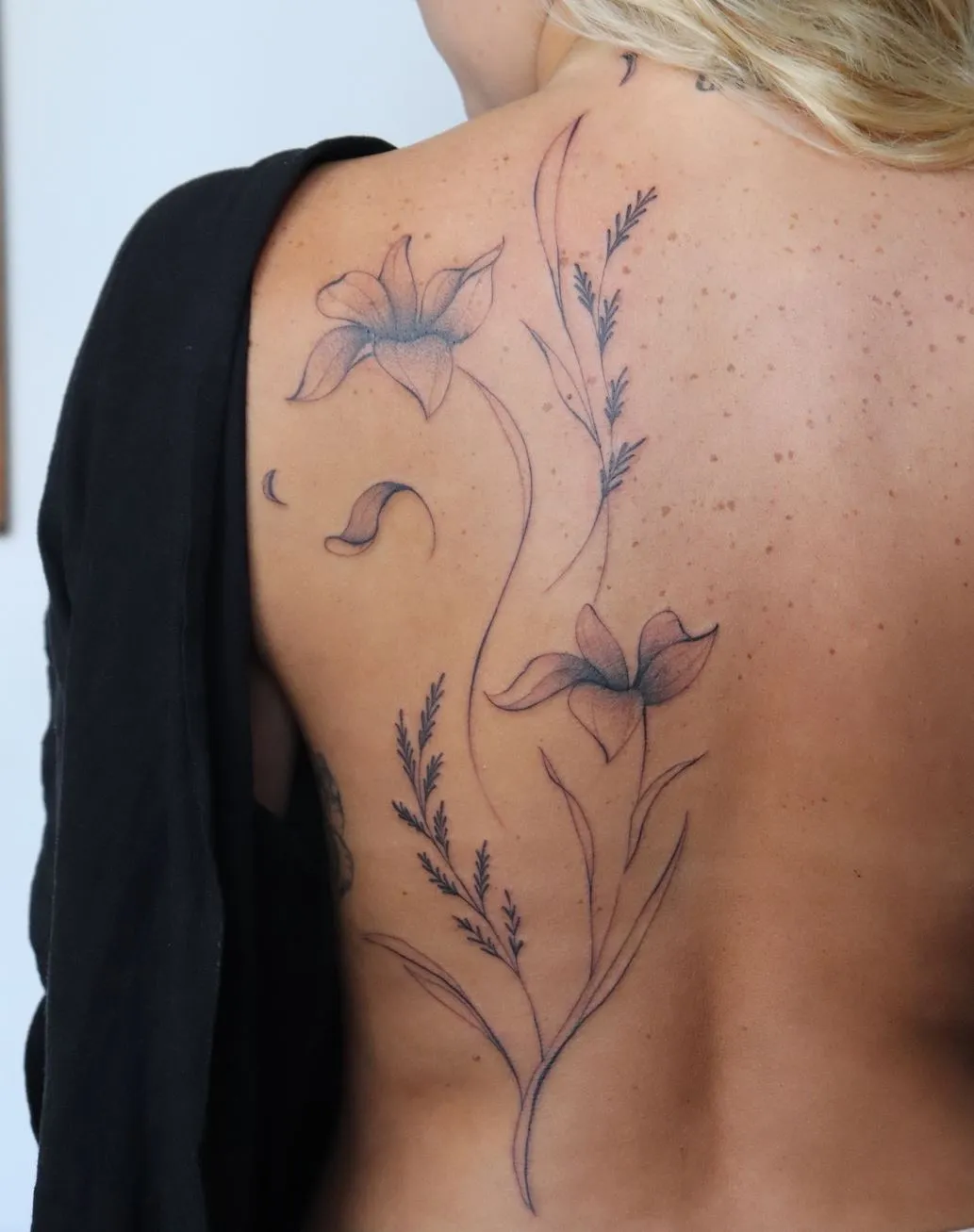
Some reputable tattoo courses will only train using practice Tattoo Skin — and that doesn’t mean they’re dodgy or incomplete. Here’s why:
- Insurance and council compliance are tricky. Not all training academies can meet the criteria to legally offer skin practice.
- Students need more time. Many new artists benefit from more drills, colour theory and more hours before they touch skin.
- The focus is on technique not speed. Rushing to tattoo a model doesn’t always mean you’re learning better.
Look for Tattoo Courses that offer:
- Ongoing Student Support or shadowing after your course ends
- Options to bring in your own model later (when you’re truly ready)
- Realistic tattooing industry insights, not just demo-day hype
2025 Beauty Trends
Fine Line Tattooing is one of the fastest-growing styles of tattooing, especially here in Australia. According to 2025 trend reports:
- Fine Line Tattooing has grown 38% year on year in Melbourne-based tattoo training inquiries.
- Minimalist designs and Micro tattoos are the top choice for first-time clients 18-30.
- Social media has increased the demand for dainty finger, wrist and collarbone single needle tattoos.
But that popularity means more low-quality work is popping up too — often from under-trained PMU artists offering $50 deals from unregistered spaces. Proper training is more important than ever.
Olha Po has helped hundreds of students master fine line tattooing safely while building real-world confidence through structured hands-on training.
Real Talk: What I Tell My Own Students
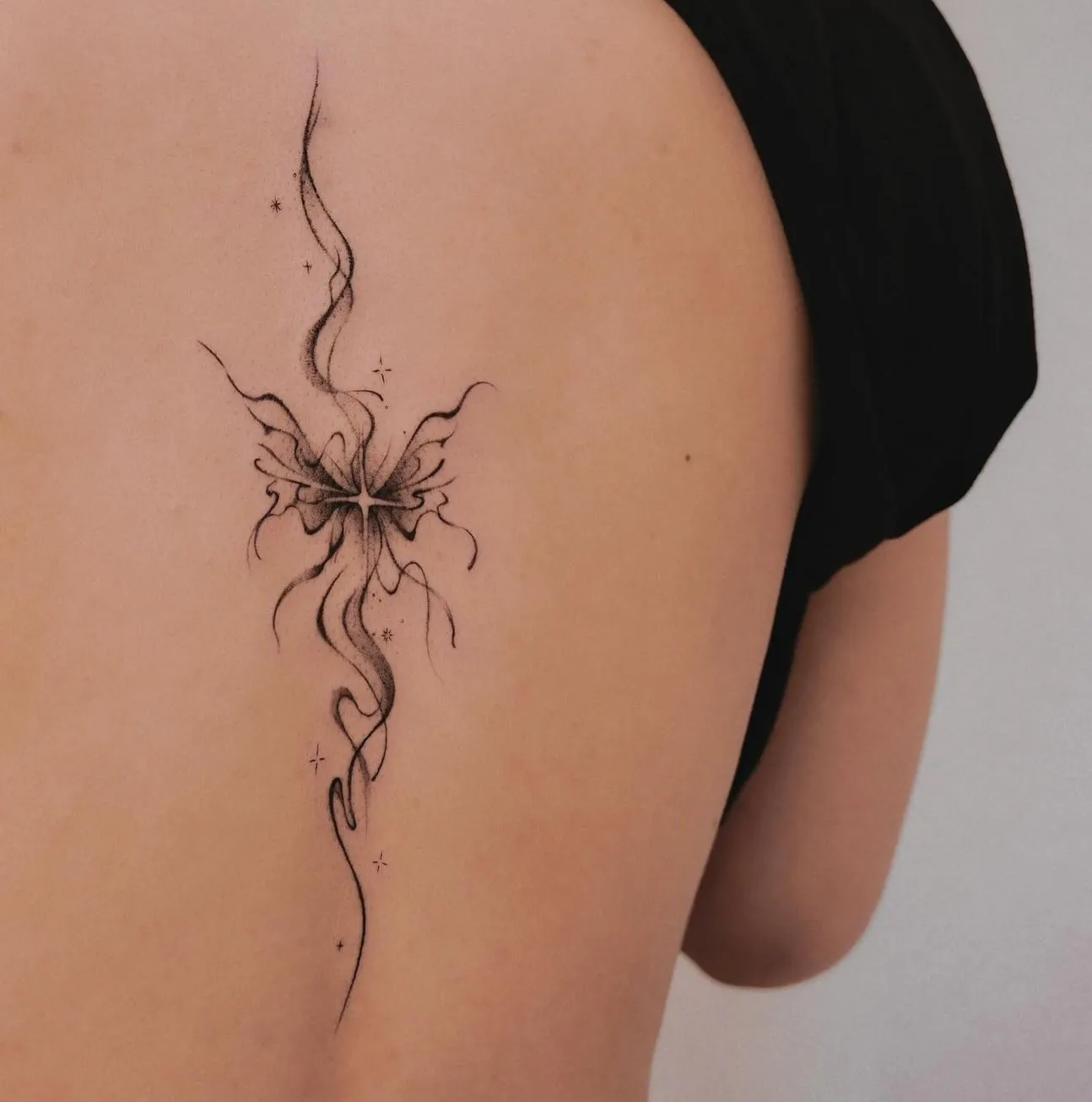
In our Cosmetic Tattoo Studio Face Figurati in Melbourne, here’s how we structure fine line tattoo training:
- Day 1-3: Theory, hygiene protocols, tattoo design principles, Tattoo Machine setup, needle choice and line exercises on synthetic skin
- Day 4: Supervised fine line techniques on advanced Tattoo Skin
- Day 5: Optional real model using Digital Fine Line Tattoo Machine under full trainer supervision (only if all prior criteria are met)
- Post course: Shadowing, Student Support and review of healed work including healing time observations
Some students tattoo real skin on Day 5. Others wait weeks or months — and that’s totally okay. It’s not a race.
Remember: the goal isn’t just to do a tattoo. It’s to tattoo well, safely and with confidence that lasts.
Red Flags
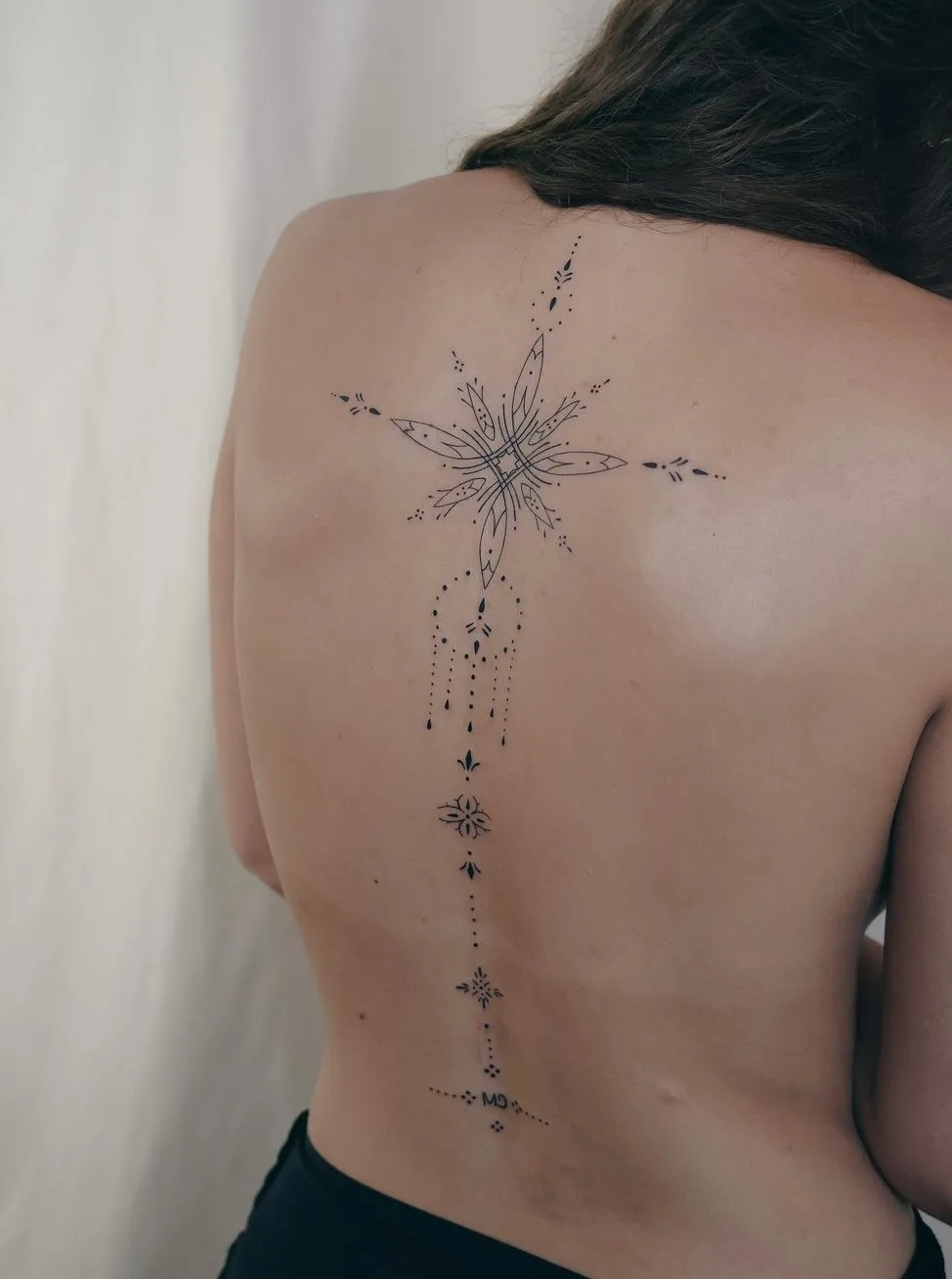
Whether you’re training in Melbourne or elsewhere in Australia, here are the signs the tattoo training course might not be up to scratch:
- No mention of hygiene protocols or infection control
- Trainers who don’t stay present during Tattoo Skin practice
- No support after the Certificate of completion
- Too much emphasis on flashy materials like transfer paper, not actual skills
You should leave with machine handling confidence, artistic abilities and single needle control and clear safety protocols — not just a piece of paper.
FAQ
Can I tattoo someone during my course in Victoria?
Yes — but only if the studio is council registered, your trainer is present, and you’ve completed proper hygiene and safety protocols. Always check with your course provider.
What if a course lets me tattoo skin on day one?
Run. That’s a big red flag. You need foundation skills in hygiene, needle selection and skin anatomy first. No reputable studio should offer this.
How many hours of tattoo training do I need before I can tattoo real skin?
t varies, but most tattoo artists need at least 30-50 hours on synthetic skin and practice tattoo gun exercises before they’re even considered ready.
Will tattooing on fake skin really prepare me for real clients?
Yes — if done properly. The right Tattoo Courses build needle control, ink flow knowledge and rotary machines handling.
What should I ask a course provider before enrolling?
Ask about hygiene and sanitation, trainer background, infection control steps, Student Support, and whether the course offers a Certificate in Fineline Tattooing.